As
a parrot enthusiast or professional breeder, selecting the right aviary mesh is
essential to ensuring your birds’ safety, comfort, and overall well-being.
Among the various options available, stainless steel aviary mesh has become the
preferred choice for modern parrot enclosures thanks to its exceptional
durability, high safety standards, corrosion resistance, and attractive
appearance. In this comprehensive guide, we will explore the key factors to
consider when choosing and installing high-quality parrot aviary netting,
helping you create a secure, spacious, and natural environment where your
feathered companions can live and thrive.
Why Stainless Steel Mesh is the Best Choice
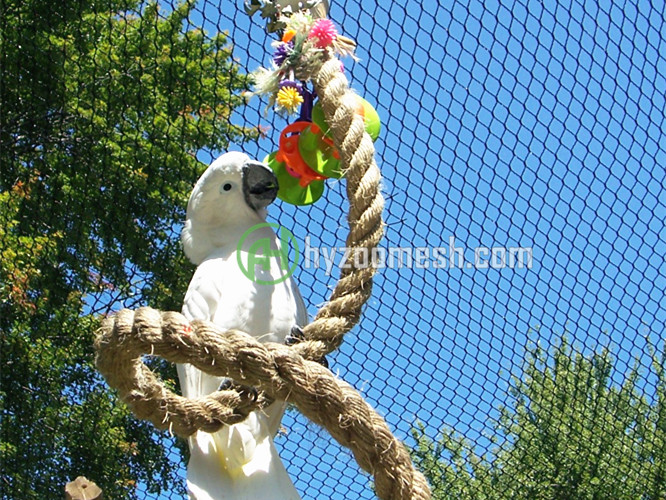
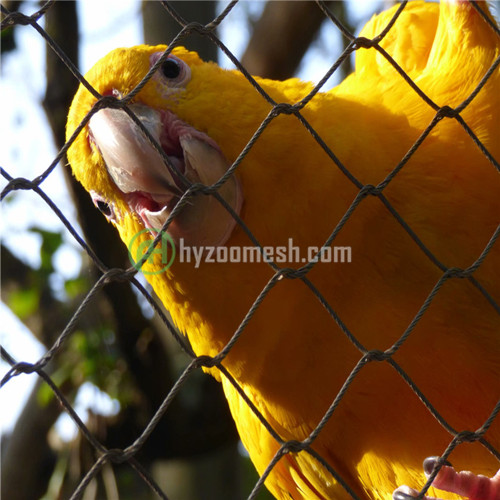
Stainless steel parrot aviary mesh provides significant advantages over traditional materials such as plastic, wood, and galvanized wire. Combining exceptional strength, long-lasting performance, and bird-friendly safety features, stainless steel mesh is an ideal solution for creating secure and comfortable parrot habitats.
1. Superior Durability and Long Service Life
Manufactured from high-quality 304 or 316 stainless steel, aviary mesh offers excellent resistance to corrosion, rust, and environmental wear, even when exposed to outdoor conditions or high humidity. This outstanding durability allows the mesh to maintain its performance for decades, reducing replacement costs and long-term maintenance expenses.
Unlike wooden enclosures, which can be easily damaged by parrots’ powerful beaks and constant chewing behavior, stainless steel mesh provides a strong and reliable barrier that can withstand climbing, pecking, and daily use.
2. Enhanced Safety for Parrots
Bird
safety is one of the most important factors when designing an aviary. Stainless
steel mesh features a smooth surface and carefully finished edges, helping to
prevent injuries to parrots’ feathers, claws, and feet.
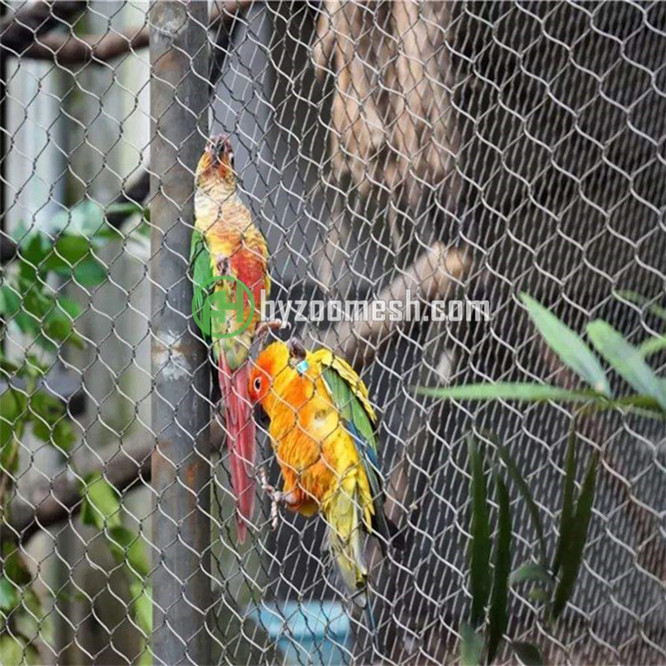
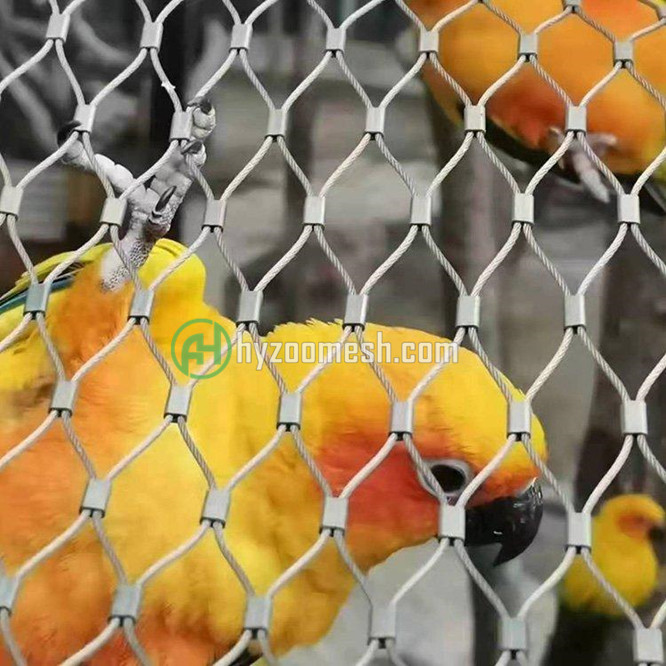
With consistent mesh openings, typically around 20 mm (2 cm) or customized according to bird
species, the mesh helps prevent birds from becoming trapped while
providing excellent ventilation, natural light transmission, and clear
visibility. This allows parrots to move freely in a safe and comfortable
environment.
3. Easy Cleaning and Improved Hygiene
The smooth, non-porous surface of stainless steel makes aviary mesh simple to clean and maintain. Regular washing with water and mild soap effectively removes dirt and debris while reducing the accumulation of bacteria and harmful contaminants.
Unlike painted or coated materials that may deteriorate over time, stainless steel requires no additional protective coating. Its natural surface finish provides a safe and healthy environment for birds.
4. Modern Apperance and Flexible Applications
In
addition to its functional advantages, stainless steel aviary mesh offers a
clean and elegant appearance that blends well with gardens, homes, zoos, and
professional breeding facilities.
Available in various wire diameters, mesh sizes,
and customized shapes, stainless steel mesh can be designed to meet the
specific requirements of different parrot species, from small parrots to large
macaws. Whether building a compact backyard aviary or a large-scale bird
enclosure, stainless steel mesh provides a durable and visually appealing
solution.
Step-by-Step Guide to Selecting the Perfect Parrot Aviary Mesh
Here’s a checklist to help you make an informed decision:
1. Determine the Parrot Aviary Mesh Material and Quality
- Grade 304 vs. 316 Stainless Steel:
- Grade 304 is suitable for most indoor and outdoor applications.
- Grade 316 offers enhanced resistance to saltwater and extreme weather, ideal for coastal regions.
- Check for Rust-Proof Coatings:
Stainless steel is corrosion-resistant, some manufacturers offer additional coatings for extra durability. Ensure coatings are bird-safe (e.g., powder-coated finishes).
2. Evaluate Mesh Spacing and Strength
- Aperture:
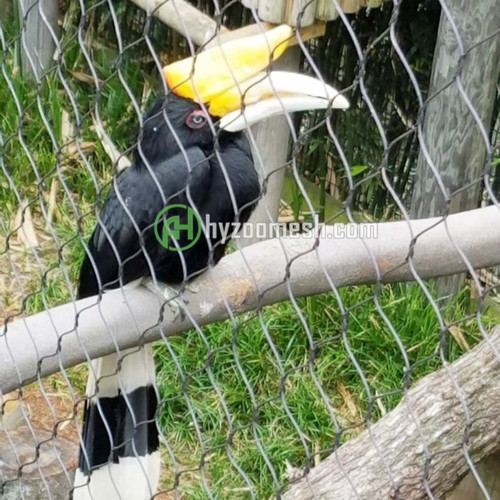
Opt for mesh with 2 cm for small parrots and medium species Tighter spacing prevents escape and injury. - Wire Diameter:
Choose wire diameter between 1.2-2 mm for robustness.
3. Consider Parrot Aviary Netting Size and Design
- Minimum Enclosure Dimensions:
Parrots need ample space to fly and exercise. A rectangular aviary should be at least 45x45x60 cm for small birds and proportionally larger for larger species. - Horizontal vs. Vertical Orientation:
Parrots prefer horizontal flights, so prioritize aviaries with wider dimensions. Avoid round cages, as they lack stable perching spots.
4. Assess Additional Features
- Door Mechanisms:
Look for aviaries with secure, double-locking doors to prevent escapes. - Perching Options:
Ensure the mesh includes diverse perches (e.g., wooden, rope, and textured bars) to promote foot health.
DIY Installation Guide: Setting Up Your Parrot Aviary Mesh
Proper installation is essential to maximize safety and functionality. Follow these steps:
Step 1: Prepare the Site
- Location:
Place the parrot aviary netting in a quiet, well-lit area away from drafts, direct sunlight, and kitchen fumes. - Groundwork:
For outdoor aviaries, pour concrete footings (70 cm deep) to secure posts. Ensure posts are vertical using a level.
Step 2: Assemble the Frame
- Welding or Bolted Connections:
If using a DIY kit, assemble the frame according to instructions. Welded joints provide superior strength, while bolted designs allow disassembly for relocation. - Add Mesh Panels:
Attach mesh sheets to the frame using stainless steel clips or wire ties. Ensure all edges are tightly secured to prevent gaps.
Step 3: Install Supporting Structures
- Roofing:
Cover the parrot aviary mesh with a UV-resistant polycarbonate roof or additional mesh to protect birds from rain and predators. - Anchor Points:
Use galvanized steel cables and ground anchors to stabilize the aviary against strong winds.
Step 4: Finalize the Setup
- Add Perches, Toys, and Feeders:
Position perches at varying heights and angles. Install food and water dishes away from perching areas to prevent contamination. - Test for Safety:
Check for sharp edges, loose wires, or potential escape routes.
Common FAQs About Parrot Aviary Mesh
Q1: Can I use secondhand parrot aviary mesh?
A: Avoid used mesh unless it’s thoroughly inspected for rust, cracks, or coatings that may contain lead or zinc.
Q2: How often should I clean the parrot aviary netting?
A: Wipe down the mesh weekly and deep-clean monthly with bird-safe disinfectants.
Q3: What if my parrot chews the mesh?
A: Redirect their behavior with chew toys and supervise playtime. Stainless steel mesh is designed to withstand chewing.
Conclusion: Prioritize Safety and Comfort
Investing in high-quality stainless steel aviary mesh is a long-term commitment to your parrot’s health and happiness. By choosing the right materials, ensuring proper installation, and maintaining a safe environment, you’ll create a sanctuary where your feathered friends can thrive for years to come.
Any interests about this stainless steel aviary net? Click here for more details.
Stainless Steel Wire Rope Mesh – Safe and Attractive Enclosures for Small Animals

Colombian Customer Chooses HY1225 Black Stainless Steel Mesh for Large Aviary Construction
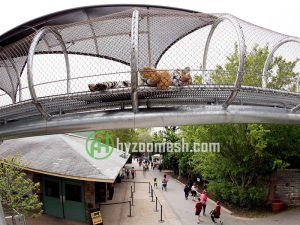
Tiger Stainless Steel Cable Mesh Tunnel: A Safe and Durable Solution for Wildlife Enclosures
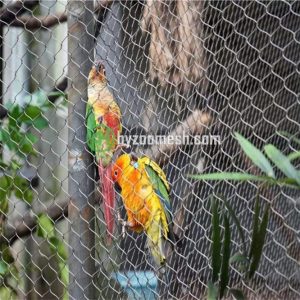
Black Oxide Stainless Steel Cable Mesh for Macaw Aviaries
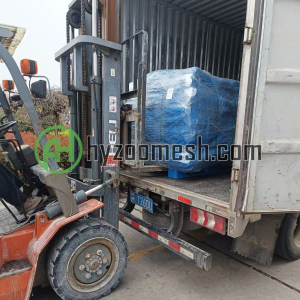
Stainless Steel Woven Rope Mesh Order from Canada for Pigeon Aviary Project