How to Build a Solid & Durable Tiger Fence Mesh
In the dynamic world of zoo operations, safety is non-negotiable—both for animals and visitors. For housing large predators like tigers, lions, and bears, traditional fencing systems often fall short due to their lack of strength, visibility, or adaptability. As zoo fence mesh manufacturer, we’ll take you to explore how Tiger Fence Mesh transforms predator enclosures, enhance visitors experiences, and why it’s becoming the gold standard in zoo fencing.
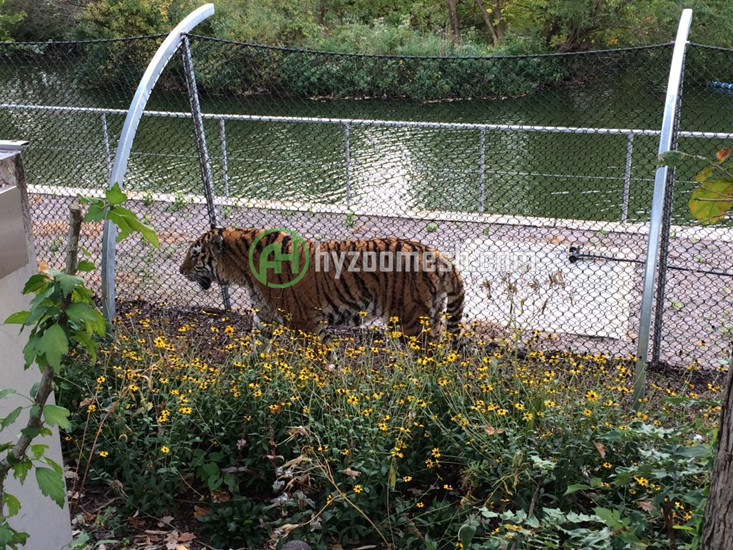
What is Tiger Fence Mesh?
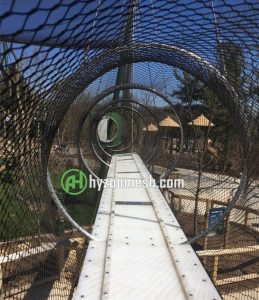
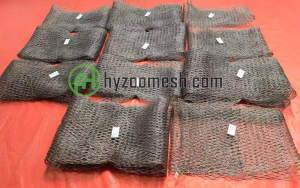
Tiger Fence Mesh is a high-security animal
fencing system made of high-strength 304 or 316 stainless steel wire, with
extremely small wire rope mesh (usually 50mm x 50mm to 152mm x 152mm) and a
reinforced frame. Its design core includes:
- Material Science: Made of stainless steel
to ensure corrosion and impact resistance.
- Flexibility: The mesh structure allows
moderate deformation, reducing the risk of injury to animals due to
impact.
- Transparency: The high-density hand
weaving process provides a clear view of animals while maintaining safety.
- Customization: Height (up to 10 meters),
mesh size and surface treatment can be adjusted according to animal size,
site layout and climatic conditions.
Why Tiger Fence Mesh is Essential for Zoos
1. Un matched Security
Prevent animals from escaping: After testing,Tiger Fence Mesh can withstand an impact force of over 2000N, far exceeding traditional chain-link fencing.
Deter intrusion: Anti-climb design and reinforced columns ensure that outsiders cannot break in.
2. Animal-Centric Design
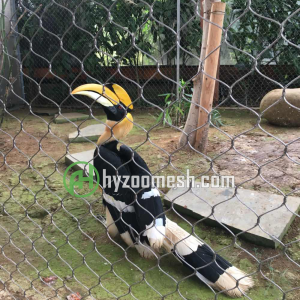
Reduce stress response: The transparent mesh structure reduces the anxiety caused by visual isolation of animals and promotes natural behavior.
Prevents injuries: The flexible material reduces the risk of injury from scratching animals (e.g. clawed animals).
3. Enhanced Visitors Experience
Reduce stress response: The transparent mesh structure reduces the anxiety caused by visual isolation of animals and promotes natural behavior.
Prevents injuries: The flexible material reduces the risk of injury from scratching animals (e.g. clawed animals).
4. Long-Term Cost Efficiency
Reduce stress response: The transparent mesh structure reduces the anxiety caused by visual isolation of animals and promotes natural behavior.
Prevents injuries: The flexible material reduces the risk of injury from scratching animals (e.g. clawed animals).
Key Features for Tiger Enclosure Mesh Applications
1. Aperture Sizes
Small cats
(such as leopards): 50mm x 50mm to 76mm x 76mm wire rope mesh.
Large beasts (such as tigers): 76mm x 76mm to 152mm x
152mm, balancing safety and field of view.
2. Height and Foundation
Recommended tiger enclosure mesh height: 4-6 meters, with underground anchoring or concrete base to prevent animals from digging and escaping.
3. Optional Add-ons
Anti-climb bars: Add a serrated or barbed design to the top for enhanced safety.
Biometric door lock: integrated electronic system to achieve automated management.
Night lighting: Optional LED light strips to enhance nighttime monitoring.
Case Studies for tiger enclosure mesh
Singapore Zoo (upgraded in 2020)
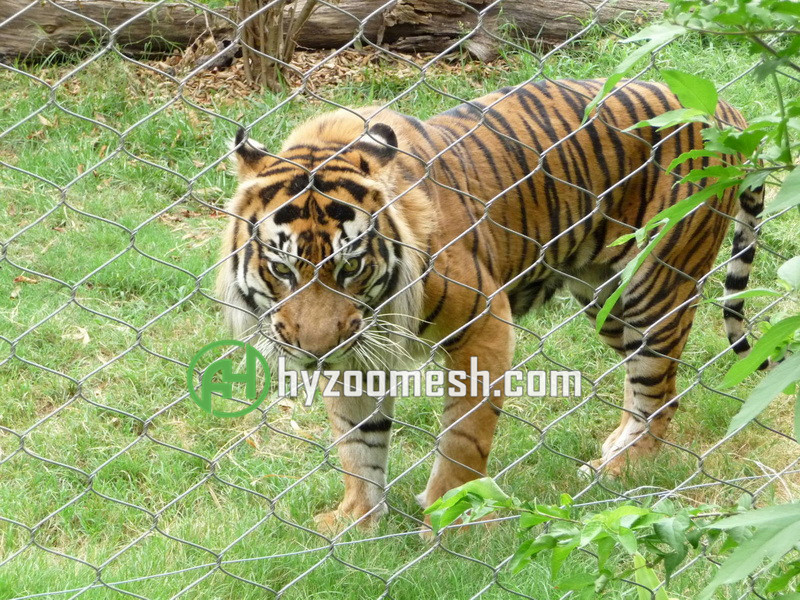
After replacing the traditional chain-link fence with stainless steel Tiger Fence Mesh, visitor satisfaction increased by 60% and maintenance costs decreased by 40%. The mesh structure allows tigers to move freely without blocking their sight, becoming a landmark exhibition area in the park.
Berlin Zoo, Germany (2022 project)
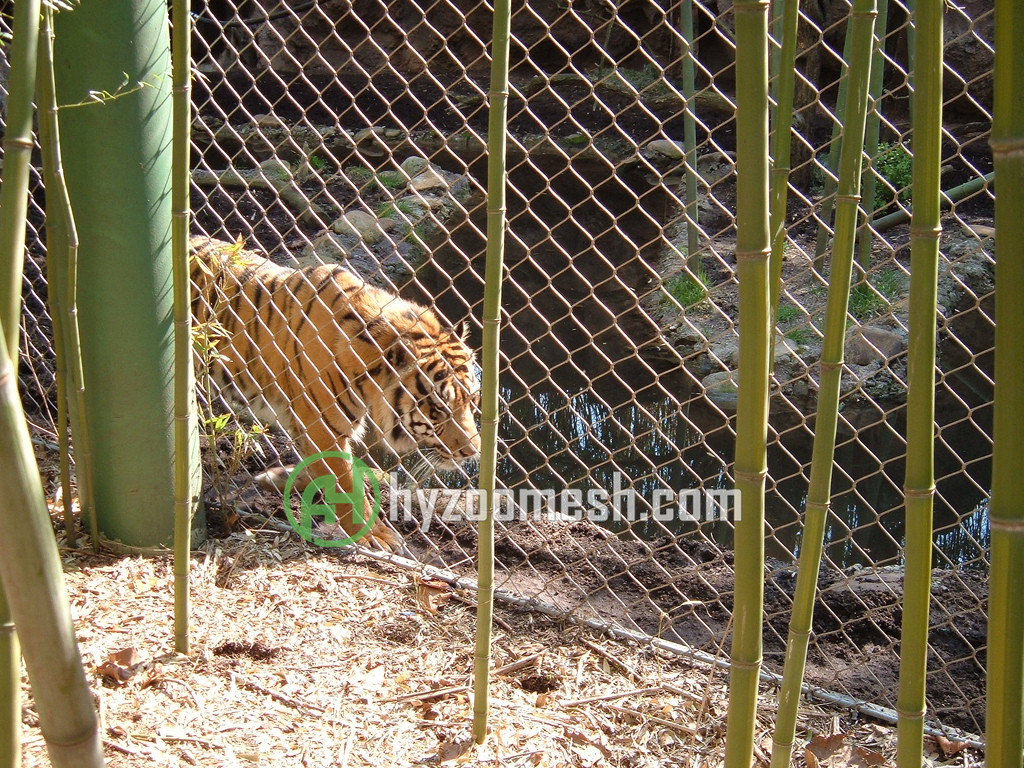
A 6-meter-high stainless steel fence was customized for the white tiger exhibition area, with the mesh optimized to 80mm x 80mm, and an infrared monitoring system was integrated to achieve safety protection without blind spots.
Installation Best Practices for Zoos
1. Site Preparation
Soil testing: Ensure that the foundation can withstand the impact of animals. Soft soil requires pouring a concrete base.
Route planning: avoid underground pipelines and reserve maintenance passages.
2. Professional Installation
Use a hydraulic tensioning tool to ensure even mesh tension.
Reinforced welding at corners to prevent breakage due to concentrated force
3. Testing and Monitoring
Common Questions from Zoo Managers
Q: How does tiger fence mesh compare to
concrete walls?
A: The stainless steel cable wire mesh structure provides better air
circulation and natural light, reducing animal oppression, and also being
cheaper and quicker to install.
Q: Can it withstand extreme weather?
A: Galvanized and stainless steel materials have passed the salt spray test and
are suitable for coastal or high humidity areas.
Q: Does it require special permits?
A: No special permit required in most countries, but zoo safety standards must
be met
Conclusion
Tiger Fence Mesh redefines the standard of
safety for zoos, integrating animal welfare, visitor experience and long-term
operational efficiency. It is an ideal choice whether it is a new exhibit or a
renovation of an old facility. Through scientific design, durable materials and
flexible configuration, Tiger Fence Mesh not only protects animals and
visitors, but also creates a modern and sustainable future for zoos.
Call to Action
If you need to upgrade the fence system for your zoo, please contact us to get a customized solution and quote!