
How To Choose The Best Bird Aviary Mesh?

Whether you are a zoo professional, bird sanctuary manager, or private aviary owner, choosing the right bird aviary mesh is essential for creating a safe, durable, and comfortable environment for your birds. Poorly selected or improperly designed netting can lead to potential risks, including escapes, injuries, and compromised animal welfare.

In this comprehensive guide, we will explore the key factors to consider when selecting aviary mesh, including:

  • Material selection: A comparison of stainless steel mesh and synthetic alternatives, focusing on durability, safety, and long-term performance.
  • Design considerations: Important factors such as mesh size, wire diameter, tension requirements, and structural load capacity to ensure a secure enclosure.
  • Real-world applications: Three case studies from leading zoos demonstrating how professional aviary mesh solutions are used in large-scale bird habitats.
  • Cost-effective solutions: Practical tips for reducing long-term maintenance costs while maintaining high safety standards and ensuring the well-being of your birds.

1. Why Bird Aviary Mesh Matters  

Birds—especially intelligent and active species such as parrots, raptors, and hornbills—are naturally curious and constantly interact with their surroundings. For this reason, selecting the right aviary mesh is essential to ensuring their safety, comfort, and overall well-being. Poorly designed or low-quality mesh can create several potential risks, including:

  • Foot and beak injuries: Incorrect mesh sizes, rough surfaces, or unfinished edges may cause injuries to birds’ sensitive feet, claws, and beaks.
  • Predator intrusion: Weak or unsuitable netting may fail to provide reliable protection against external threats, allowing predators such as raccoons to damage the enclosure or enter the habitat.
  • Stress-related behaviors: An improperly designed enclosure may increase stress levels and contribute to abnormal behaviors, including feather plucking, excessive pacing, or reduced activity.

A high-quality aviary mesh is far more than a simple physical barrier—it plays a vital role in creating a secure, comfortable, and stimulating habitat where birds can move freely, behave naturally, and maintain their health and well-being.

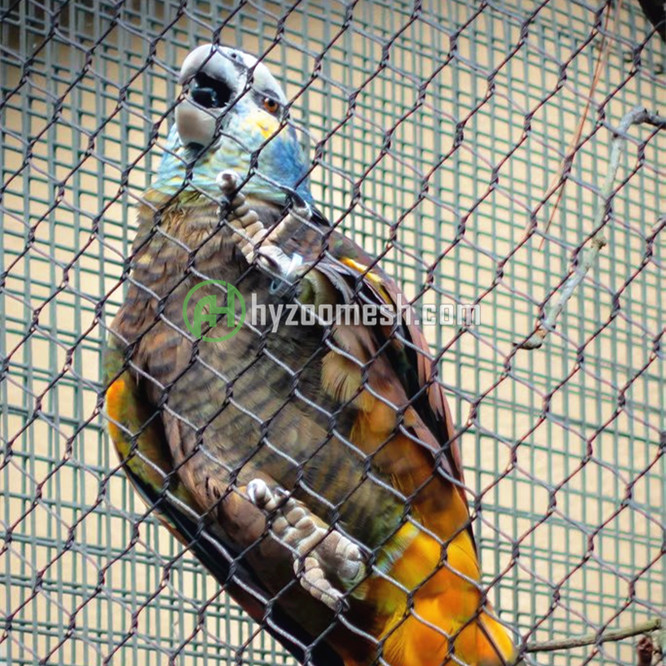
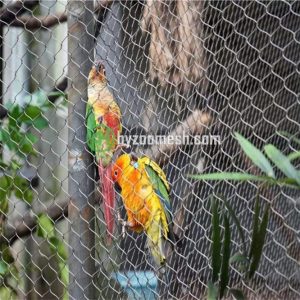
parrot netting mesh

3.Choosing the Right Material for Bird Aviary Net

– Stainless Steel Mesh  

– Material group:AISI 304,304L,316,316L

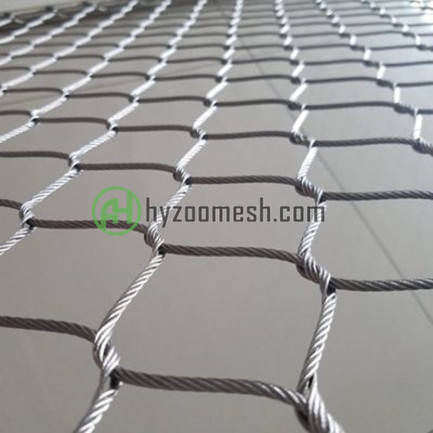
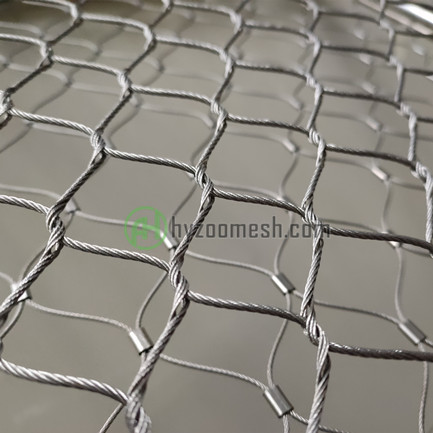
– Structure: Rope 7×7,7×19  

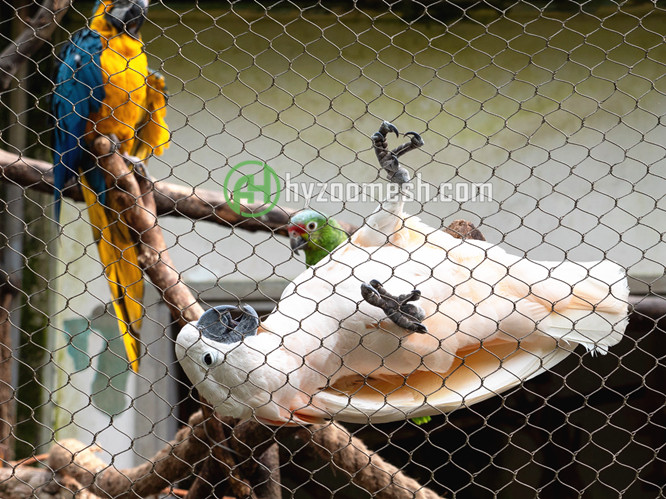
– Best for: Macaws, cockatoos, and large raptors.  

the stainless steel wire rope mesh are with soft touching,the surface is smooth,will protect the birds’ feather,it is the most suitable material for the bird netting.

3. Critical Design Factors for Bird Aviary Mesh

3.1 Bird Aviary Net Size

Mesh Apertures: 0.8’’ x 0.8’’,1’’x 1’’,1.2’’x 1.2’’,1.5’’x 1.5’’,2’’x 2’’,3’’x 3’’

Wire Rope Diameter:3/64’’,1/16’’,5/64’’

Bird Type                                Recommended Mesh Size   

Finches/Small Parrots                 ≤2 cm (0.8’’)     

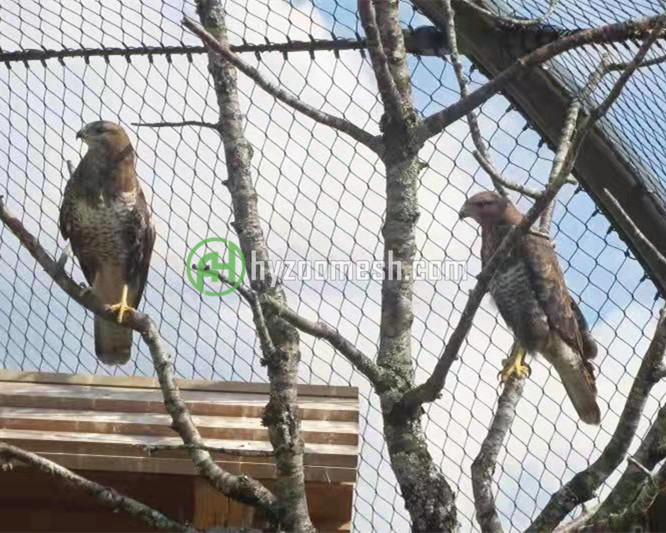
Eagles/Hawks                             ≤5 cm (2’’)      

Flamingos                                  ≤7.5 cm (3’’)   

Why it matters: Smaller birds can squeeze through gaps, while large raptors may snap oversized strands.  

3.2 Tensile Strength

– Minimum load capacity: 2× the bird’s body weight (e.g., 1,000 N for a bald eagle).  

– Anchor points: Use marine-grade stainless steel clamps for outdoor aviaries.  

3.3 Environmental Integration

– Camouflage: Green or black aviary mesh blends into landscapes (e.g., Berlin Zoo’s “invisible” netting).  

– Shade: Add 30% shade cloth to protect birds from overheating.  

4. Actual Case for Using the Bird Aviary Net

Case 1: Loro Parque, Spain

-Challenge: Housing 500+ parrots with varying sizes and behaviors.  

– Solution: Hybrid stainless steel (bottom 3m) + Dyneema® (top) to prevent chewing damage.  

– Result: Zero escapes since 2018; reduced maintenance costs by 40%.

Case 2: National Aviary, USA

– Innovation: Retractable roof mesh for seasonal temperature control.  

– Lesson: Dynamic tension systems prevent sagging in snow loads.  

Case 3: Singapore Bird Paradise

– Aesthetic Focus: Custom-colored mesh to mimic natural tree canopies.  

– Visitor Impact: 22% increase in dwell time at the exhibit.

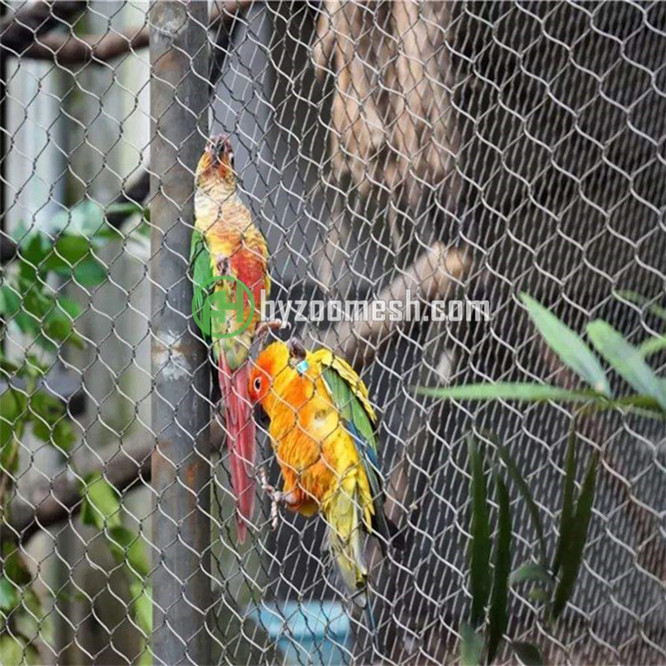
macaw aviary mesh

5. Common Mistakes to Avoid When Making a Bird Aviary Mesh

× Using chicken wire: Too weak for most birds; zinc coating is toxic if ingested.

× Ignoring local climate: Saltwater air accelerates corrosion  

× Overlooking maintenance: Inspect nets monthly for fraying or loose anchors.

6.Maintenance and Repair: Keeping Your Bird Aviary Net in Top Shape

Proper maintenance is essential to keeping your aviary mesh secure, functional, and long-lasting. Regular inspections help identify potential issues before they become serious problems.

Check the mesh periodically for signs of wear, damage, or deterioration, including broken wires, loose connections, damaged sections, or weakened fixing points. Any issues should be repaired promptly to prevent further damage and maintain the overall safety of the enclosure.

A well-maintained aviary mesh system not only extends the service life of the netting but also provides a safe and reliable environment where birds can move freely and remain protected.

Investing in high-quality bird aviary mesh saves money long-term and protects bird welfare. Start by auditing your current enclosure against these standards—tiny upgrades can prevent disasters.

Need a mesh recommendation for your specific birds?please check our related aviary mesh(net) product information,or contact with me for more details.

7. Conclusion

Hebei Hangyun is a genuine factory in China. We have been specializing in the production of stainless steel wire mesh for nearly 30 years. They are widely used in zoos, large aviaries, wildlife parks, etc. If you are working on a zoo project or a large aviary, you can contact us by email. Click here to get the quotation!

YouTube:https://www.youtube.com/@hyzoomesh 

Twitter:https://x.com/HangYun1006

Share To:
Share on facebook
Facebook
Share on twitter
Twitter
Share on pinterest
Pinterest
Share on linkedin
LinkedIn