Introduction: Creating Better Habitats for Tigers
Modern zoos and wildlife parks are increasingly focused on creating natural, spacious, and safe environments for animals. Tigers, as one of the most powerful and active predators in the world, require enclosures that provide enough space for movement while ensuring the safety of both animals and visitors. Traditional metal bars and rigid fences often limit visibility and reduce the natural appearance of the habitat.
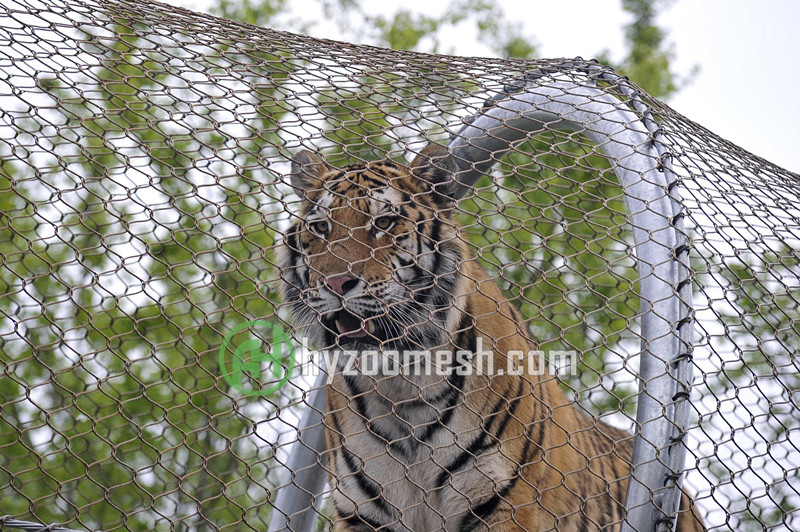
A tiger stainless steel tunnel cable mesh offers an innovative solution for modern wildlife enclosure design. Made from high-quality stainless steel wire rope, this flexible mesh system provides excellent strength, durability, and transparency. It allows tigers to explore a more natural environment while maintaining reliable protection.
Stainless steel tunnel cable mesh are widely used in zoos, safari parks, wildlife rescue centers, and animal exhibition areas because they combine safety, aesthetics, and long-term performance.
What is a Stainless Steel Tunnel Cable Mesh?
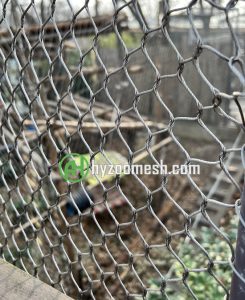
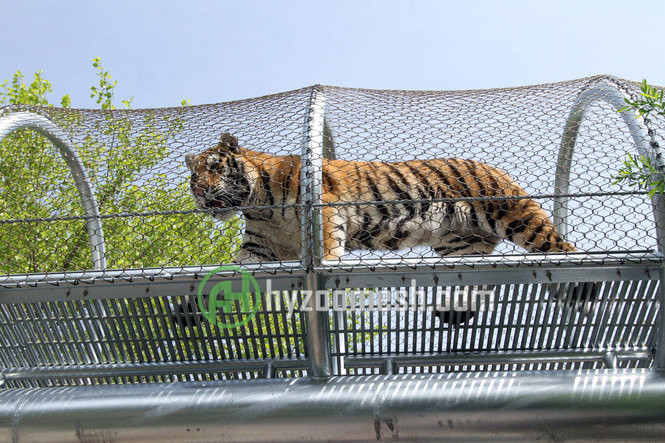
A tiger stainless steel tunnel cable mesh is a specially designed enclosure structure made from stainless steel cable mesh. The mesh is woven by hand using multiple strands of stainless steel wire rope, creating a diamond-shaped opening pattern.
Unlike traditional welded wire panels, stainless steel cable mesh is flexible and can be shaped into different structures, including:
- Animal passage tunnels
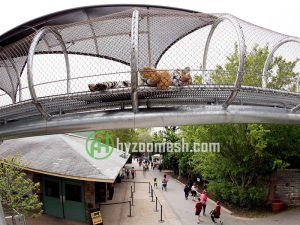
- Elevated walkways
- Connection corridors between habitats
- Viewing tunnels for visitors
- Large open-air tiger enclosures
The flexibility of the mesh makes it possible to create curved, three-dimensional structures that better match the landscape design of wildlife parks.
For tiger applications, the mesh is usually manufactured with strong stainless steel materials such as AISI 304 or AISI 316. AISI 316 stainless steel is especially recommended for coastal areas, humid environments, or locations with high corrosion risks.
Why use a Stainless Steel Cable Mesh for Tiger Tunnels?
1. High Strength and Excellent Safety
Tigers are large, muscular animals with strong climbing and jumping abilities. The enclosure material must withstand continuous impact and long-term use.
Stainless steel cable mesh provides outstanding tensile strength because each cable is made from multiple stainless steel strands. The structure distributes pressure across the entire mesh surface instead of concentrating stress on a single point.
For tiger tunnels, thicker wire rope diameters and suitable mesh openings can be selected according to the animal size, enclosure design, and safety requirements.
Common specifications include:
- Wire rope diameter: 1.5 mm, 1.6 mm, 2.0 mm, or customized sizes
- Mesh opening: 38 mm × 38 mm, 51 mm × 51 mm, or customized sizes
- Material: AISI 304 or AISI 316 stainless steel
- Mesh angle: 60 degrees
The correct combination of cable diameter and mesh size ensures both safety and a comfortable visual environment.
2. Excellent Visibility and Natural Apperance
One of the biggest advantages of stainless steel cable mesh is its high transparency.
Compared with traditional steel fences, rope mesh has a much thinner structure and fewer visual barriers. Visitors can observe tigers clearly, while the animals can also see their surroundings more naturally.
For wildlife parks, this creates a more immersive experience. The tunnel appears almost invisible from a distance, helping the enclosure blend into gardens, forests, and natural landscapes.
Some projects also choose black oxide stainless steel cable mesh. The black surface reduces sunlight reflection and visual distractions, making the mesh less noticeable while improving the viewing experience.
3. Corrosion Resistance and Long Service Life
Tiger tunnels are usually installed outdoors and exposed to rain, sunlight, humidity, and temperature changes. Therefore, corrosion resistance is an important factor when selecting enclosure materials.
Stainless steel cable mesh has excellent resistance to rust and corrosion. AISI 316 stainless steel, containing molybdenum, provides enhanced resistance in salty coastal environments and high-humidity areas.
With proper installation and maintenance, stainless steel cable mesh can provide a service life of more than 20 years, reducing replacement costs and maintenance requirements.
4. Flexible Design for Different Tiger Habitats
Every wildlife project has
different requirements. Some zoos need a simple connection corridor between two
tiger habitats, while others require complex tunnel systems integrated into
visitor areas.
Stainless steel rope mesh can
be customized according to project requirements:
- Different tunnel lengths and widths
- Curved or irregular structures
- Vertical climbing sections
- Hanging passageways
- Large open enclosure areas
Because the mesh is
lightweight and flexible, it is easier to transport and install compared with
heavy steel structures.
Applications of Tiger Tunnel Cable Mesh in Zoos and Wildlife Parks
Tiger stainless steel tunnel cable mesh can be used in various applications:
Tiger Connection Corrdors
In large wildlife parks, separate tiger habitats may need to be connected. A stainless steel tunnel cable mesh allows tigers to move between different areas safely while keeping the surrounding environment open.
Elevated Tiger Walkways
Some modern zoos create elevated animal pathways. These structures encourage natural movement and provide visitors with unique viewing opportunities.
Visitor Viewing Tunnels
Stainless steel mesh can also be used around visitor areas, creating safe viewing zones where guests can observe tigers at a closer distance while maintaining protection.
Natural Habitat Expansion
Because rope mesh has minimal visual impact, it allows designers to expand tiger habitats without creating a strong artificial feeling.
Installation Considerations for Stainless Steel Tiger Tunnel Cable Mesh
A successful tiger tunnel project requires careful planning and professional installation.
Before production, engineers usually confirm:
- Tunnel dimensions
- Mesh opening size
- Cable diameter
- Fixing structure
- Boundary frame design
- Installation environment
The mesh is usually fixed with stainless steel ferrules, edge cables, and specialized connection accessories. Proper tensioning is important to ensure the mesh maintains its shape and strength.
For large projects, professional installation guidance is recommended to guarantee safety and durability.
Stainless Steel Cable Mesh vs Traditional Metal Mesh
Traditional tiger fencing often uses steel bars or welded wire panels. While these materials can provide basic protection, they have some limitations:
Stainless Steel Rope Mesh | Traditional Metal Fence |
High transparency | Blocks viewing areas |
Flexible design | Fixed structure |
Lightweight | Heavy and difficult to transport |
Corrosion resistant | May require frequent maintenance |
Natural appearance | More industrial appearance |
For modern zoos that prioritize animal welfare and visitor experience, stainless steel rope mesh provides a more advanced enclosure solution.
Conclusion: The Future of Tiger Enclosure Design
A tiger stainless steel rope mesh tunnel is more than just a safety barrier. It is an important part of modern wildlife habitat design, combining strength, flexibility, durability, and aesthetic appeal.
By using high-quality stainless steel cable mesh, zoos and wildlife parks can create safer environments for tigers while providing visitors with a more natural and engaging experience.
With its excellent corrosion resistance, long service life, and customizable design, stainless steel rope mesh has become an ideal choice for tiger tunnels, animal corridors, and large predator enclosures worldwide.
Hebei Hangyun is a genuine factory in China that has been specializing in the production of stainless steel wire mesh for nearly 30 years. If you are working on a zoo project or a large aviary project, please feel free to contact me at any time. We will provide you with a suitable solution!
YouTube: https://www.youtube.com/@hyzoomesh
Twitter: https://x.com/HangYun1006